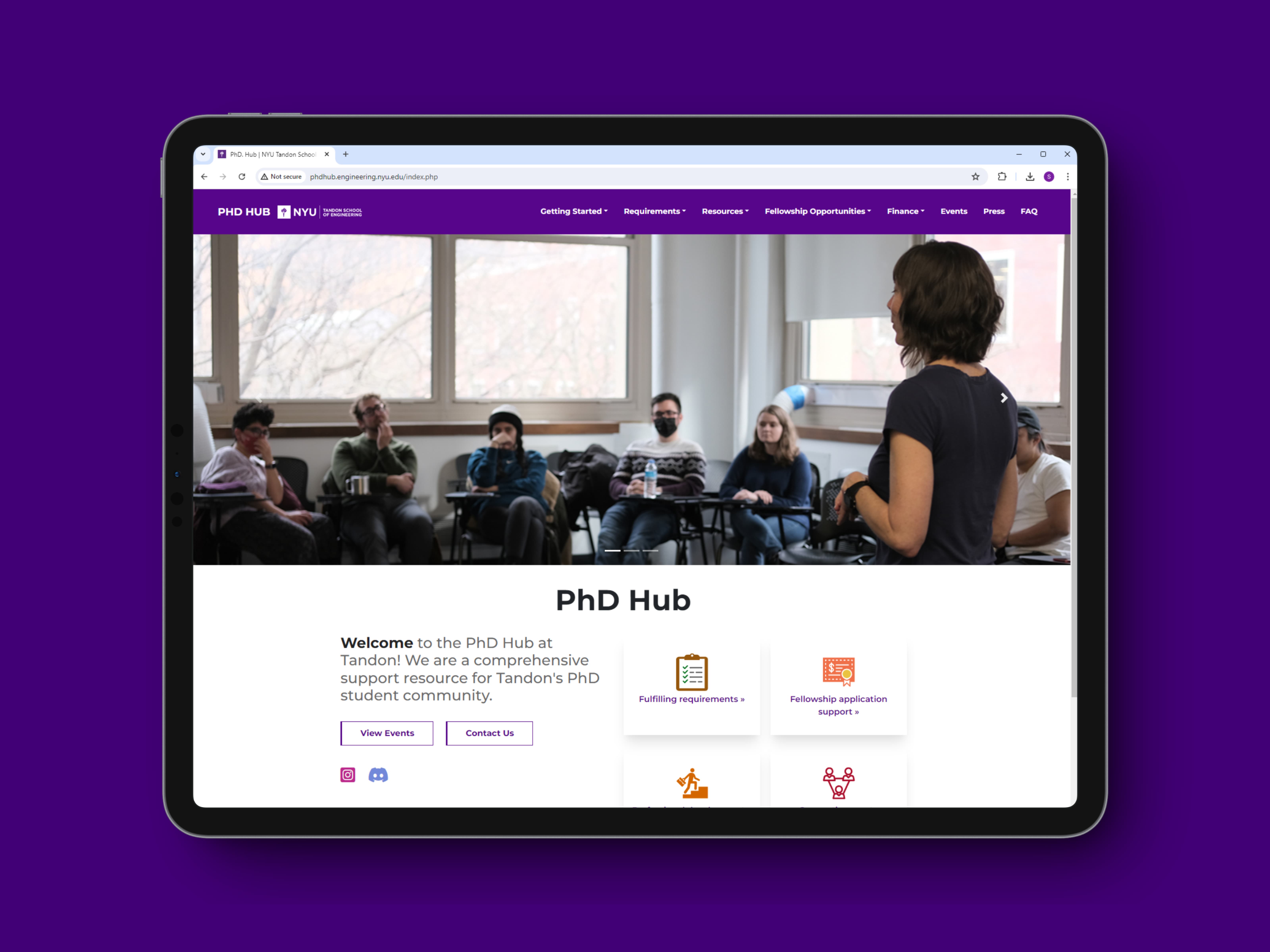
PhD students struggled to find resources while admins faced the strain; I designed NYU Tandon's PhD Hub website to solve both.
My Role: UX Designer, Web Developer (ad-hoc basis)
Team: 2 UX Designers, 2 Program Directors, NYU Engineering Team
Timeline: Aug 2022 - Aug 2024
Tools: Figma, HTML, CSS, JavaScript, Google Analytics
The Problem
A million tabs, zero clarity: NYU PhD students struggled to find key resources.
Impact
And solving this mattered because, within the first 6 months:
Admins spent 40% less time answering questions.
Workshop participants increased by 2x.
Site traffic went up by 55% as students found information 50% faster.
Student satisfaction rate for collaborations and events - 40% higher.
Action
What led to the solution?
User interviews
Student Focus Groups
"Lunch and Learn" workshops product owners
Prototyping and usability testing - iterative
Web Development
CONTEXT
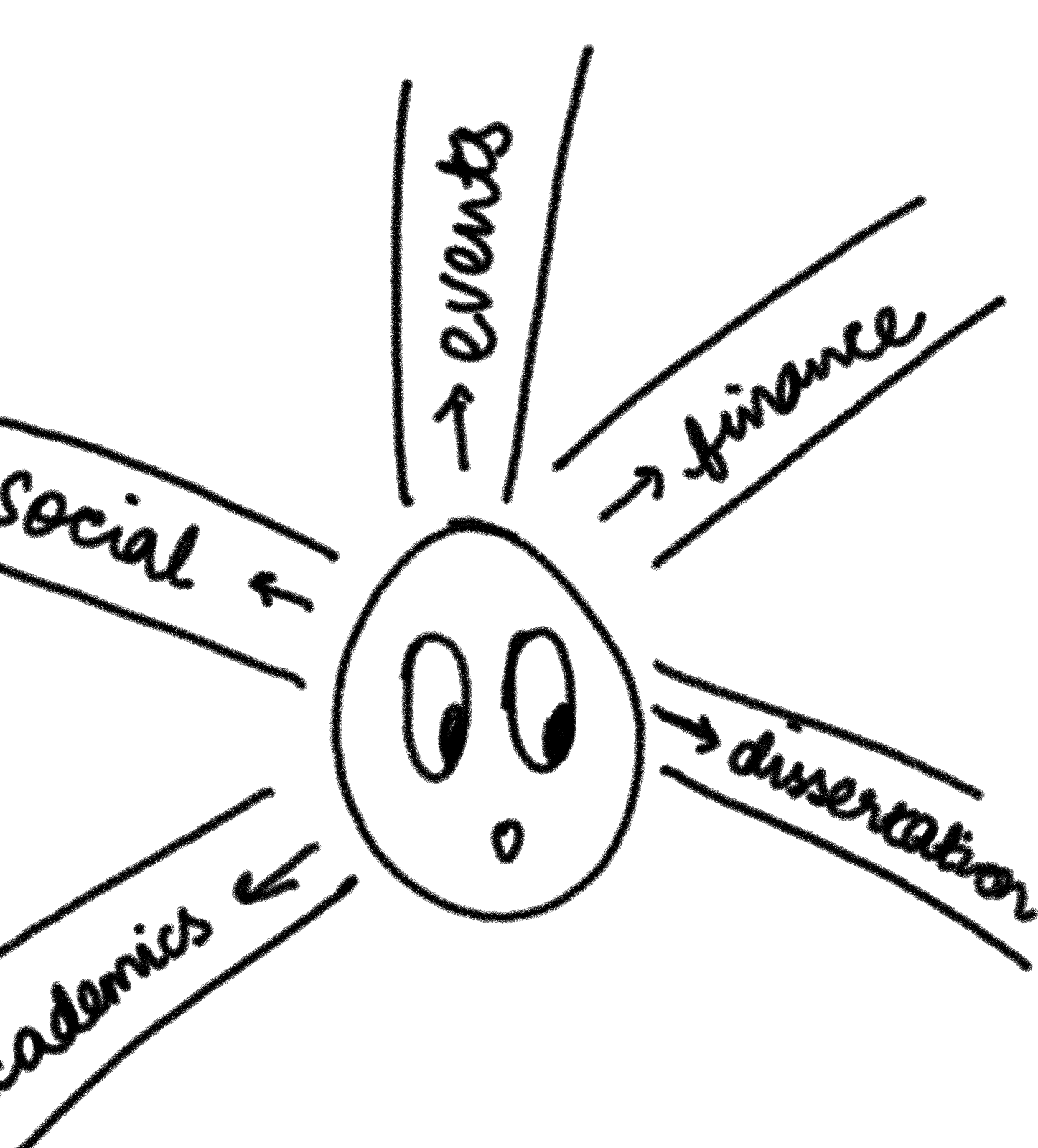
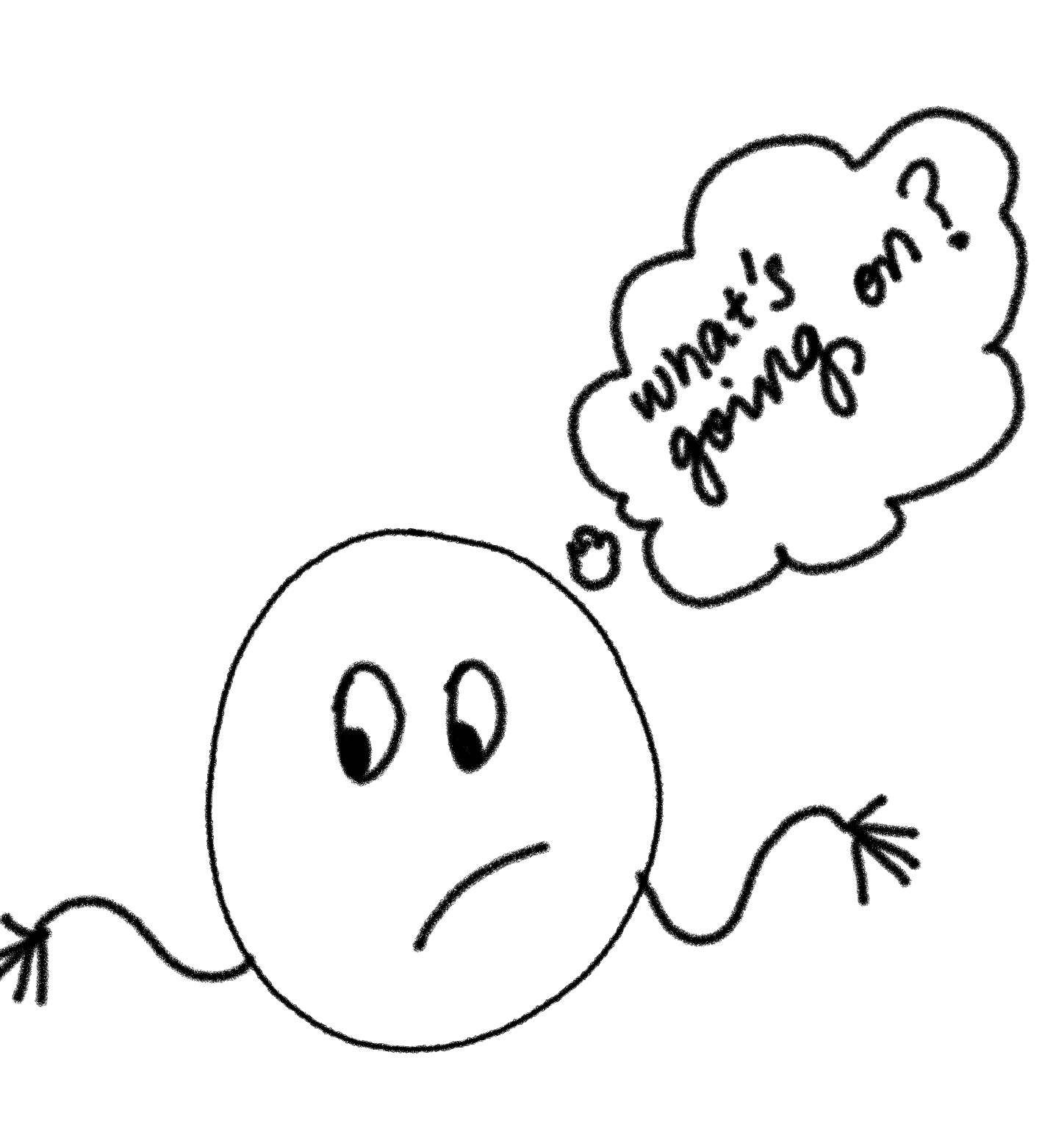
It started with one question: Why aren't PhD students signing up for events or workshops? I investigated through interviews with students, department heads, and admins.
Below are some of the key findings:


THE CHALLENGE
RESEARCH
Researched and mapped search solutions through competitor analysis, journey mapping, and wireframing to design two feasible options.
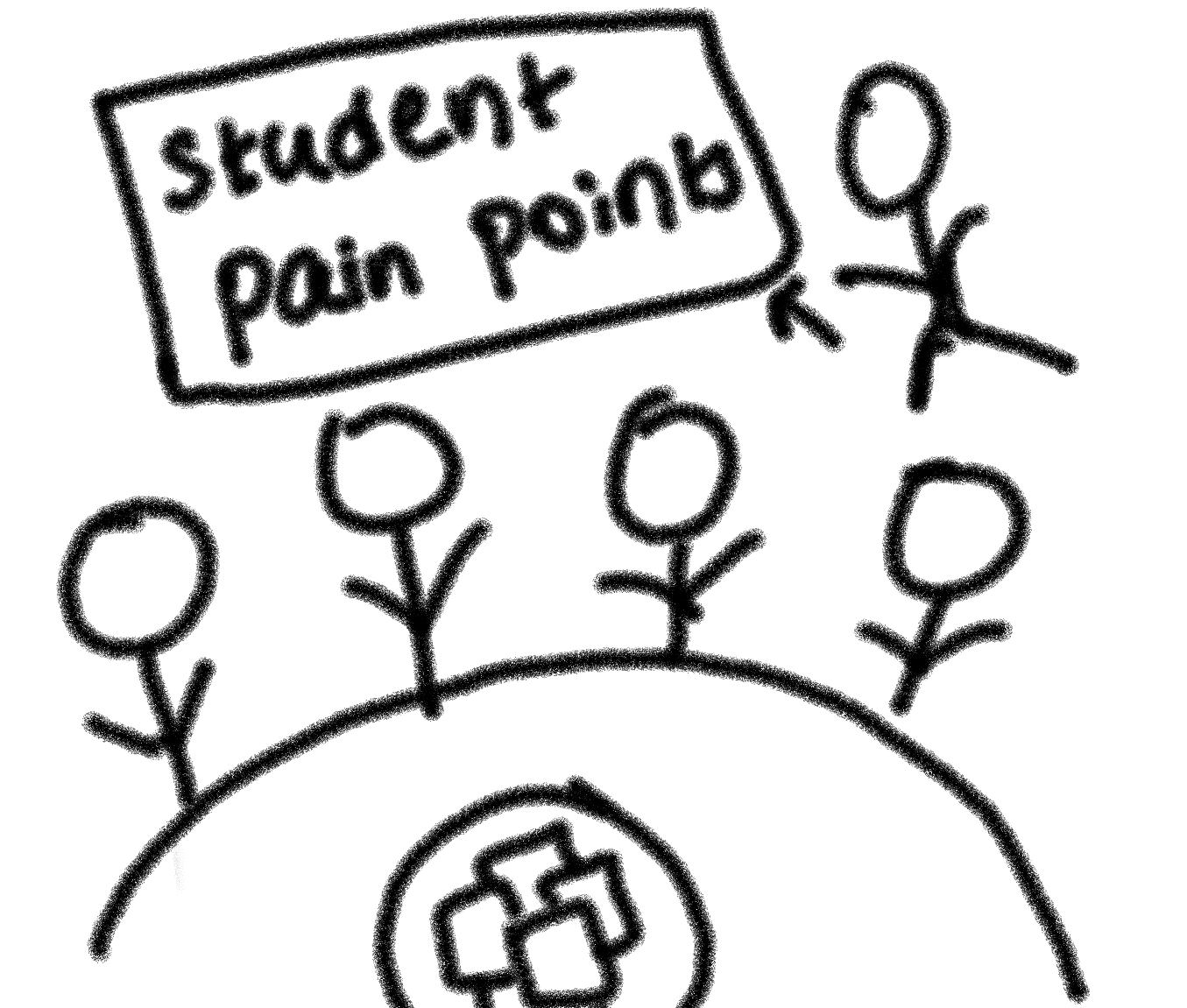
Student Focus Groups Overview
Duration: 1 hour each
Participants: 4 PhD students from diverse programs (anonymized)

Goal: Gather insights on student needs, available resources, and department priorities.
Result: Student and admin feedback shaped the website's requirements.
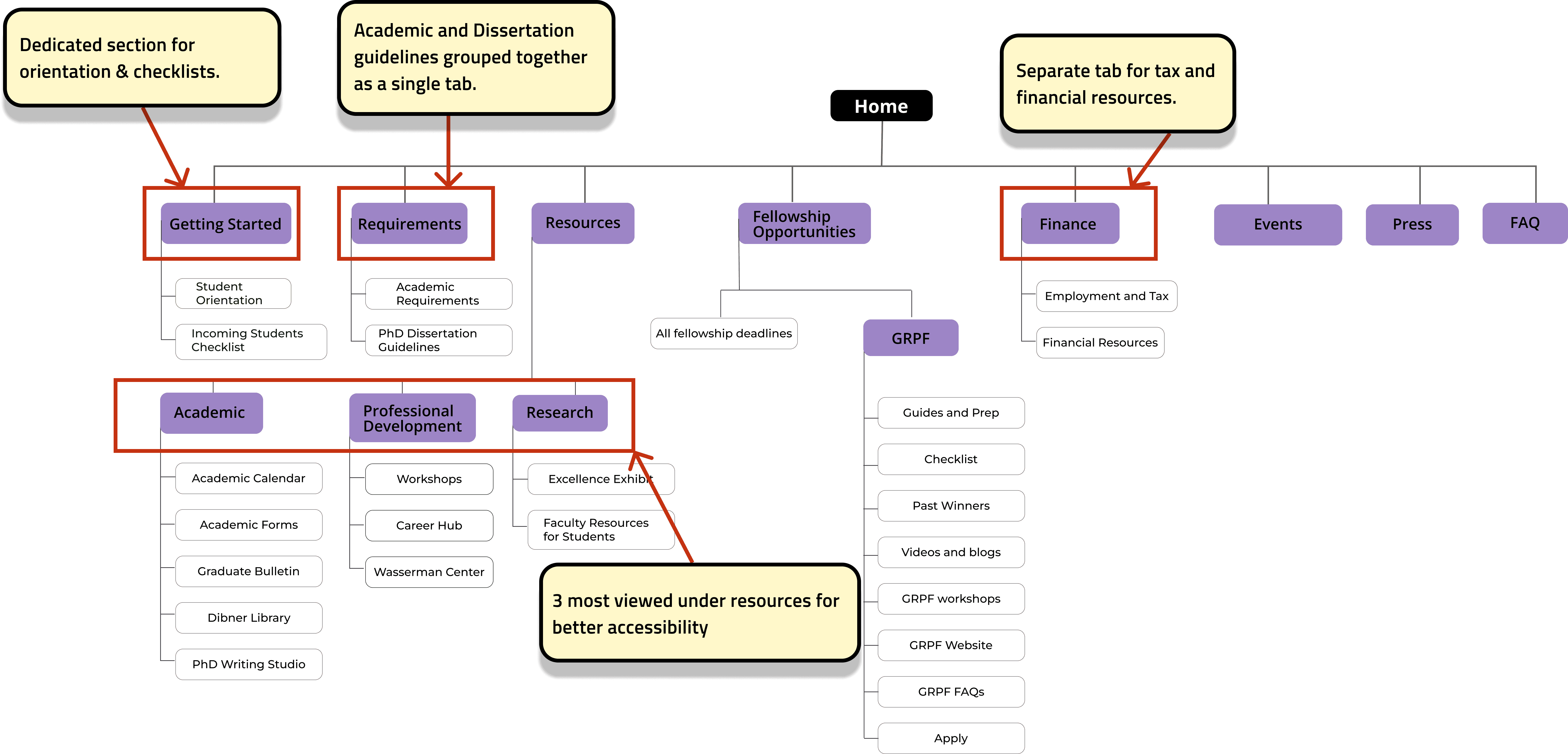
INFORMATION ARCHITECTURE
Card sorting to the rescue!
Participants: Students, staff, admin, faculty, finance team
Duration: 40 minutes per iteration
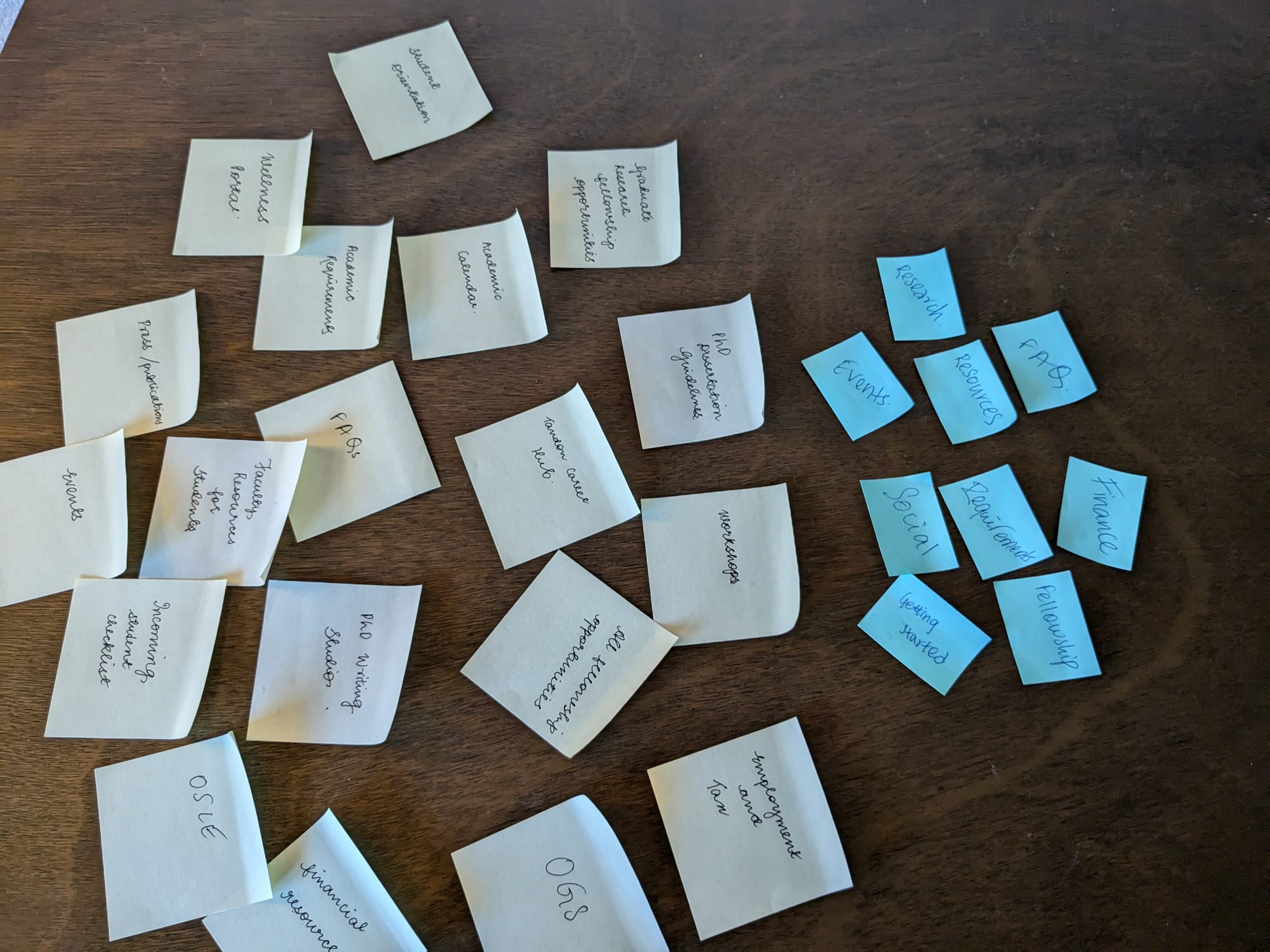
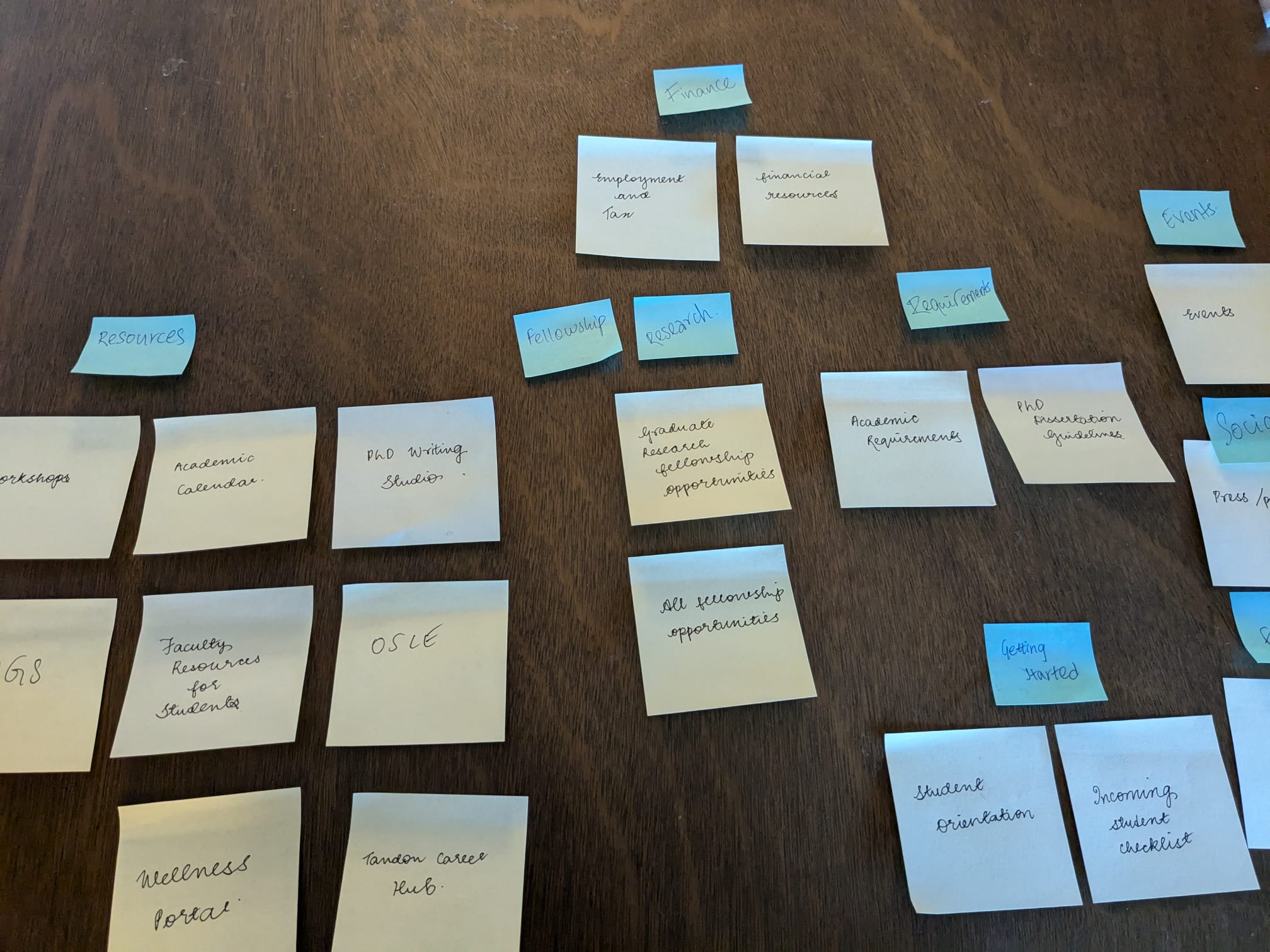
After refining iterations (and plenty of coffee), the final site map emerged as shown below.
PROTOTYPING

USABILITY TESTING
Conducted three rounds of testing over 2 hours with PhD students, staff, and administrators.
Click to see user testing structure and some resulted design changes
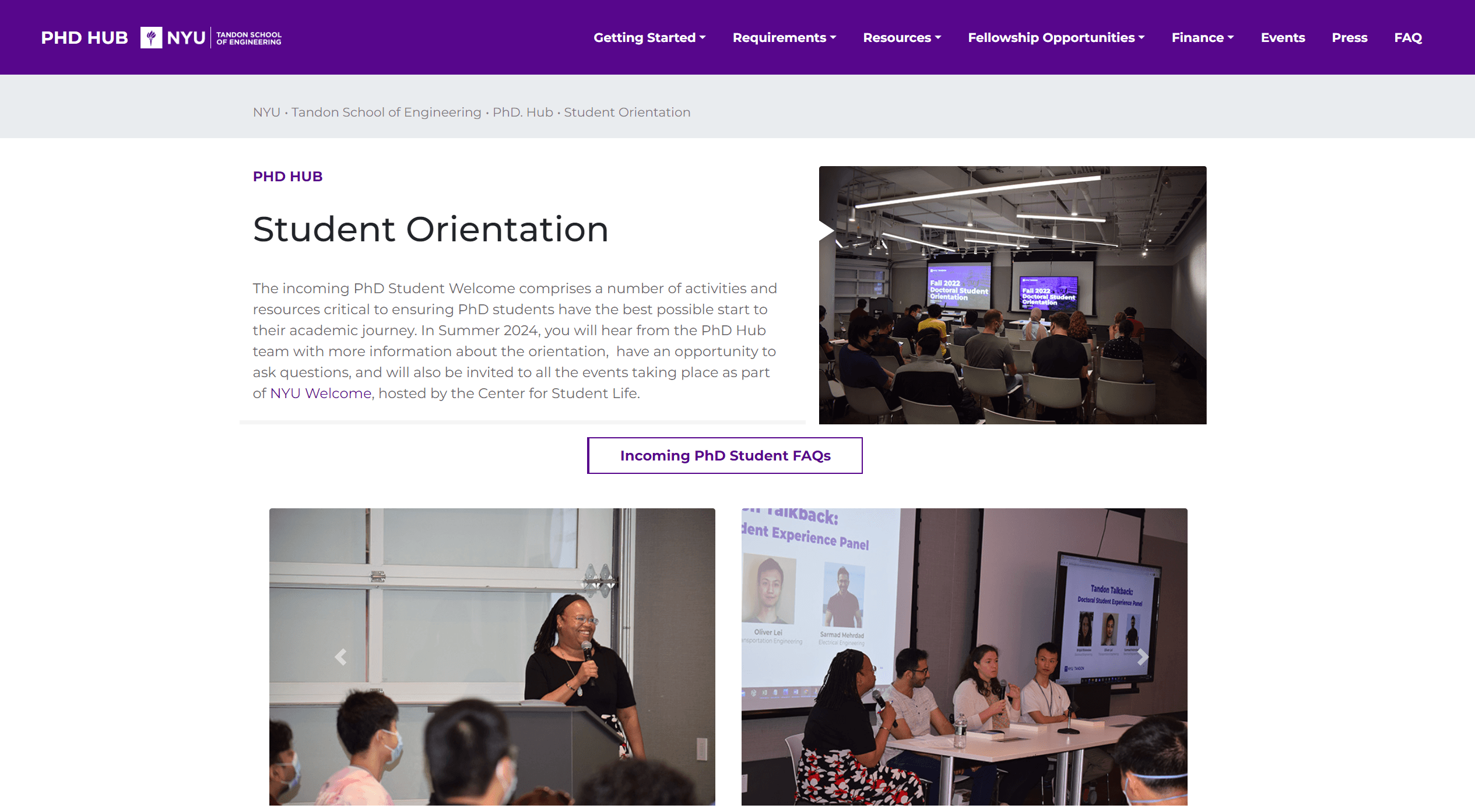
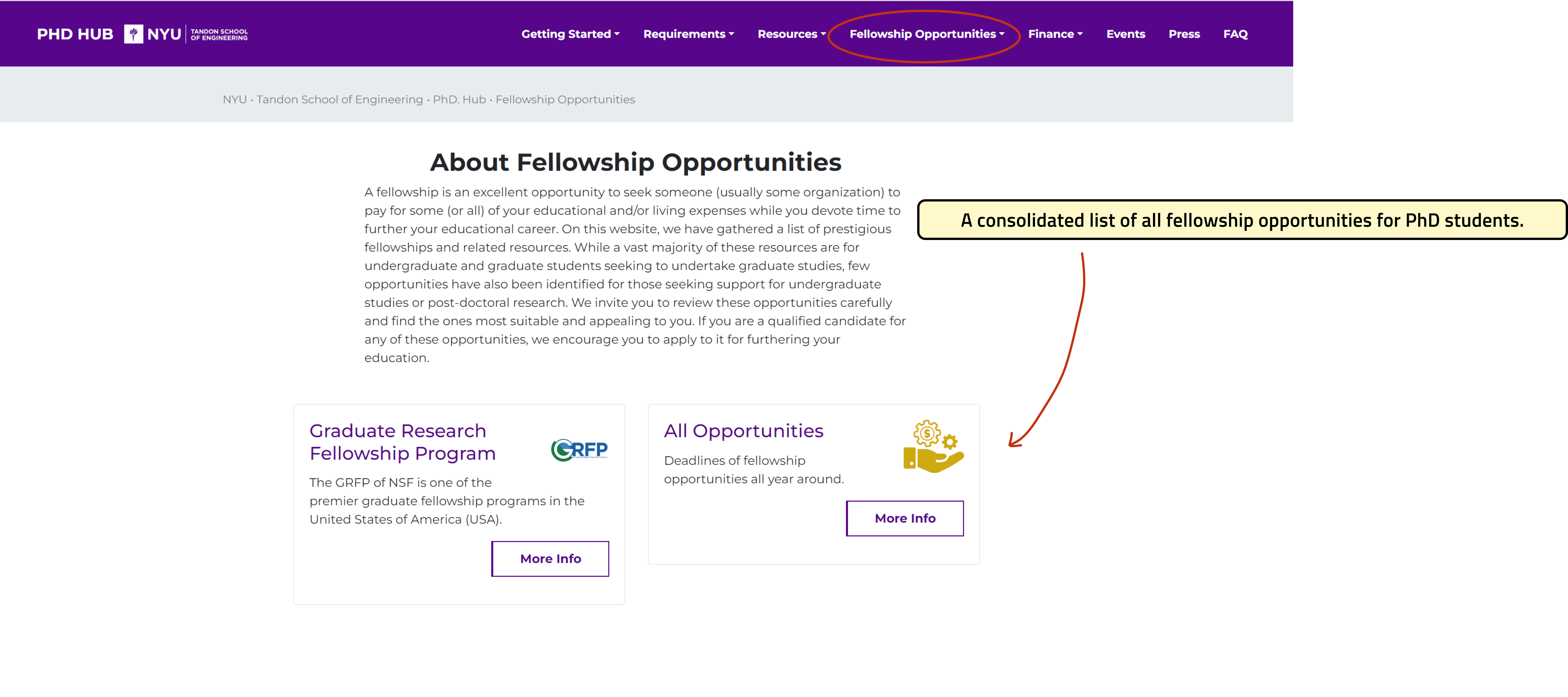
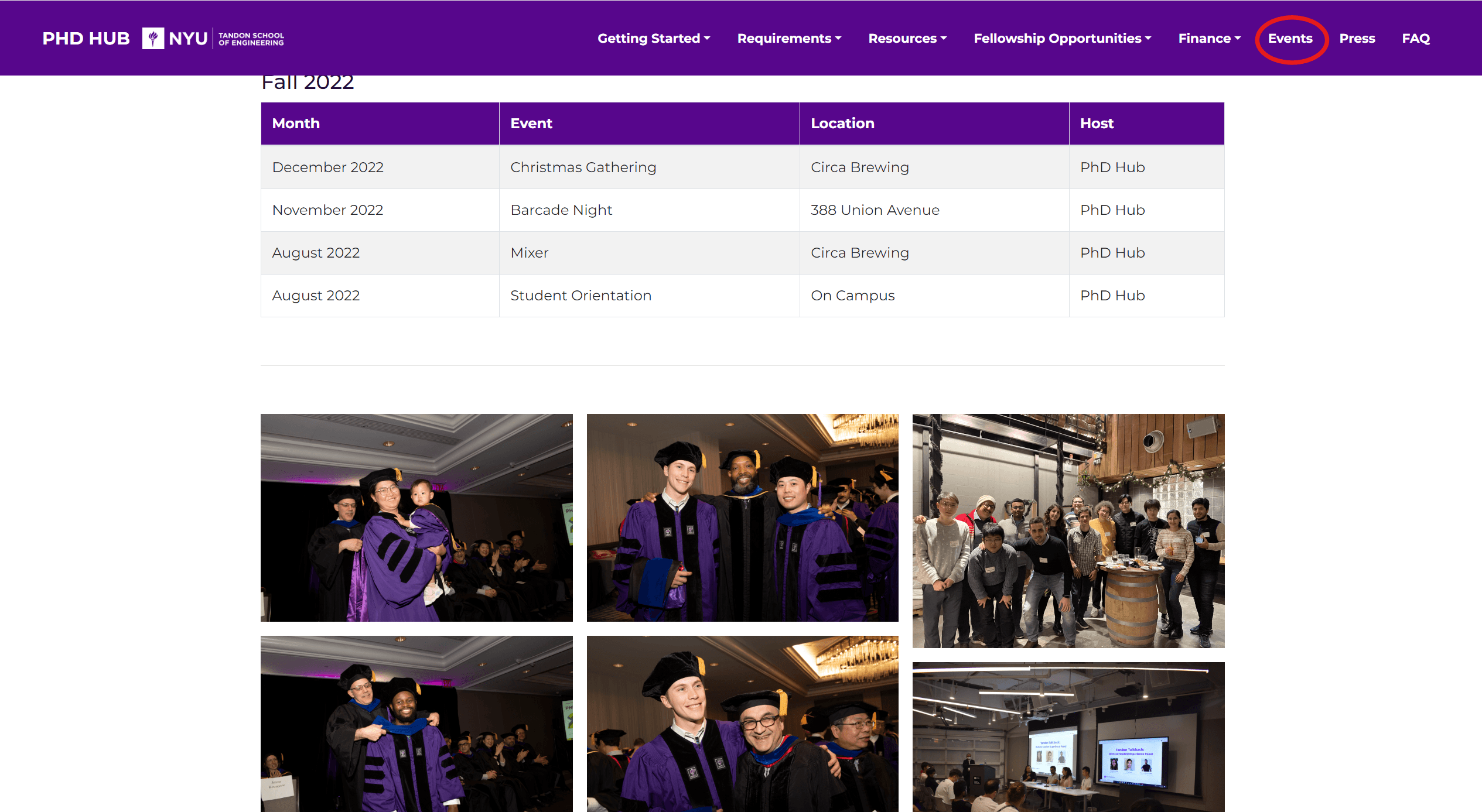
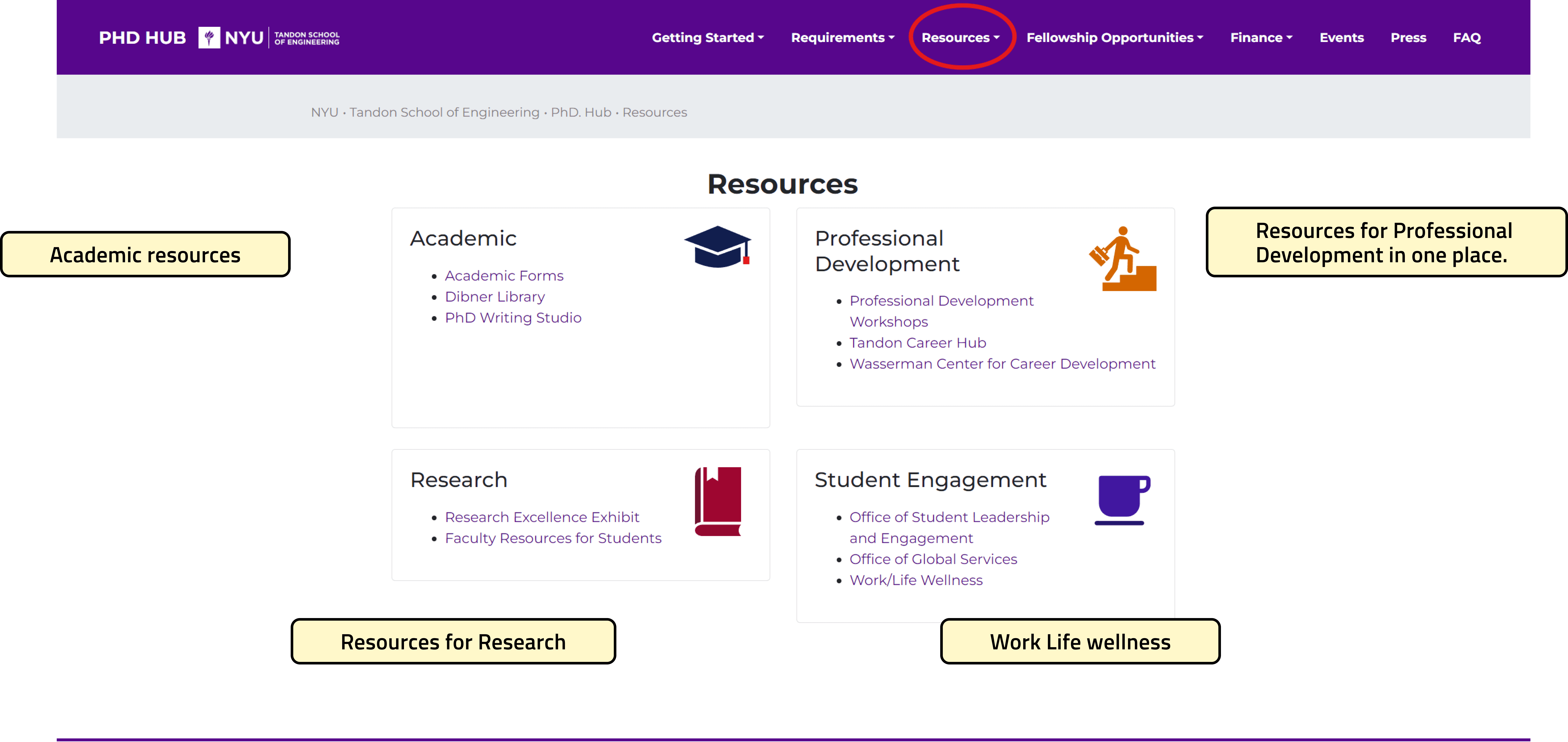
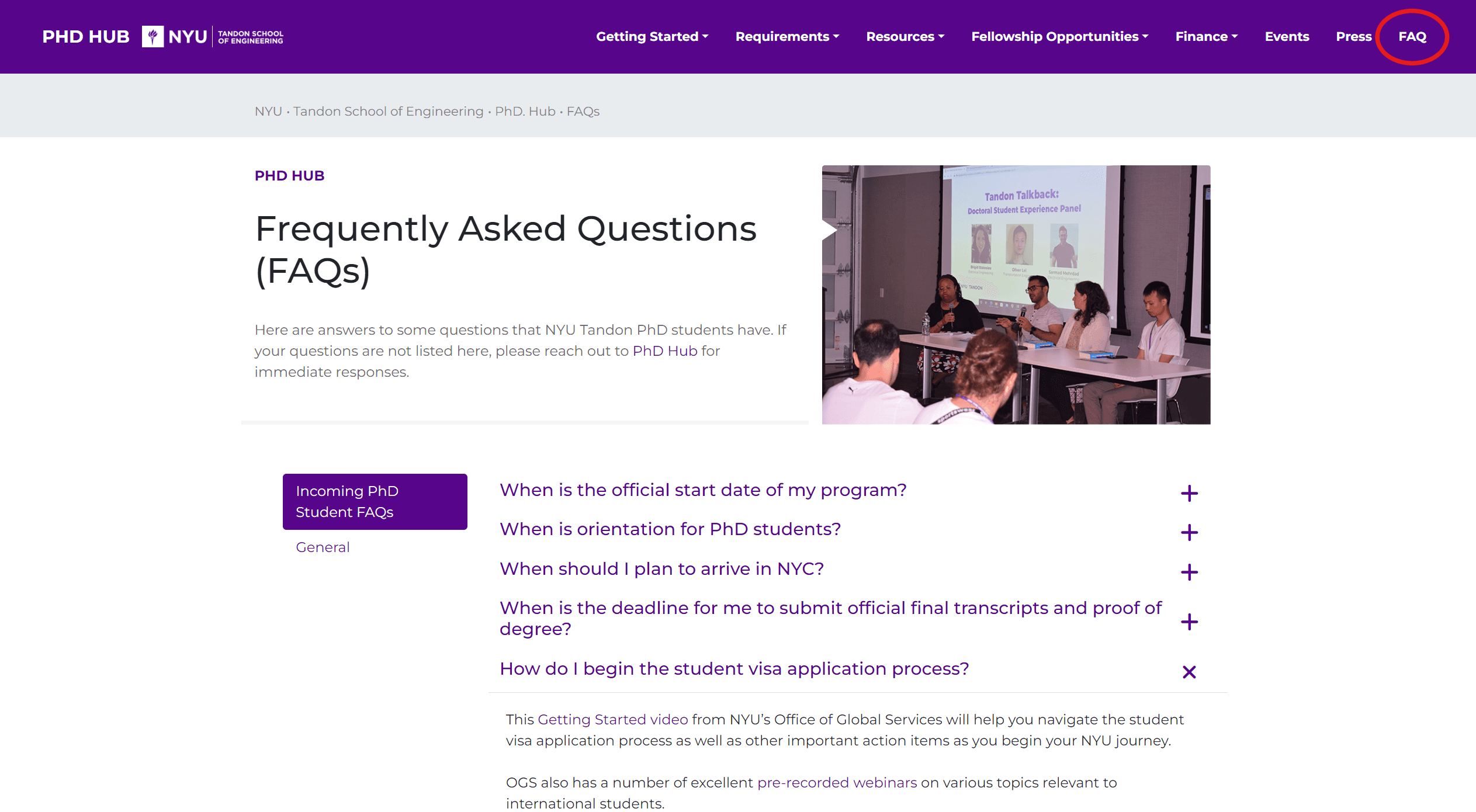
FINAL DESIGN
Conducted three rounds of testing over 2 hours with PhD students, staff, and administrators.

Reflections
This experience taught me the importance of feature prioritization, ensuring that the most impactful changes were addressed first.
I also learned that aligning all stakeholders early through structured meetings helped streamline decisions and reduce unnecessary back-and-forth.
Most importantly, I realized the power of using data to support design choices turning subjective opinions into objective, actionable insights.
What would I do differently?
Planning for future scalability.
Consistent process documentation.
Further accessibility considerations.